History of Piyamat School
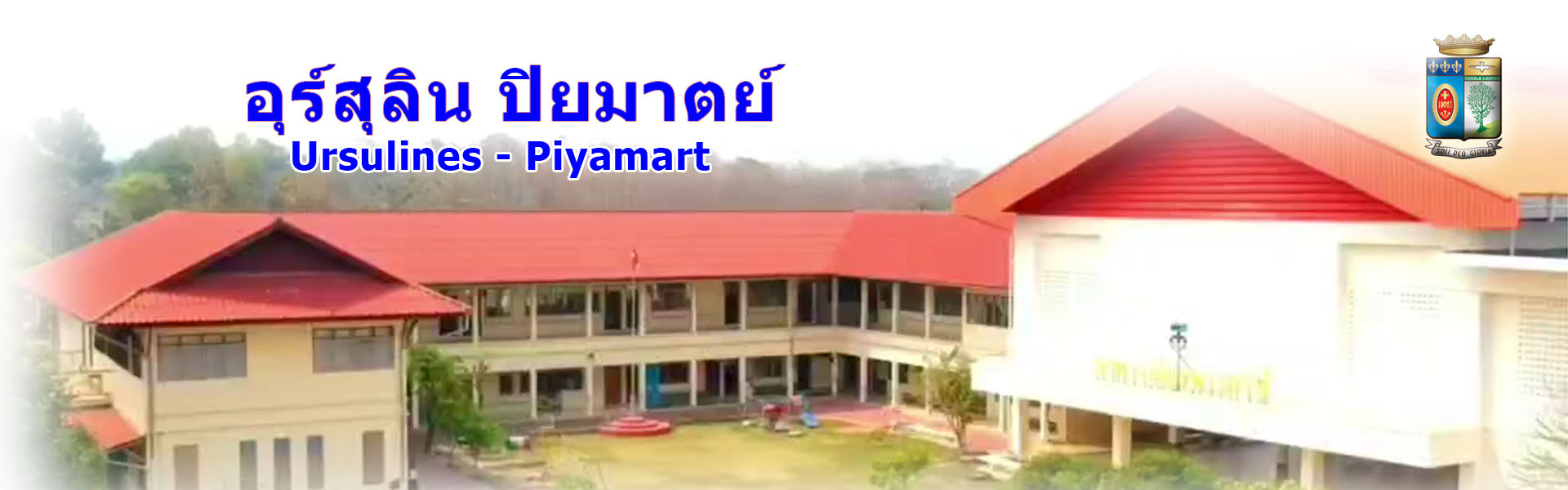
Piyamart School พะเยา การศึกษาเพื่อพัฒนาสังคม
ในช่วงปี พ.ศ. 2541 (ค.ศ. 1998) ทางคณะอุร์สุลินมีดำริที่จะมีที่ดินเป็นของคณะในจังหวัดพะเยา จึงได้ติดต่อหาซื้อที่ดินที่จังหวัดพะเยา โดยคุณประพันธ์ เทียนวิหาร ได้ช่วยแนะนำที่ดินของชาวบ้าน และได้เจรจาขอซื้อที่ดินทั้งหมด 30 ไร่ เพื่อสร้างโรงเรียนสำหรับเด็กเล็กจนถึงประถมศึกษาปีที่ 6 ในช่วงแรกตั้งเป็นโรงเรียนทางเลือก เพื่อให้นักเรียนคงอยู่ในชุมชน ในหมู่บ้านของตน และอบรมเด็กหญิงและเด็กชายไปพร้อมกัน เพื่อขจัดปัญหาการเบียดเบียนทางเพศ อบรมให้หญิงชายเคารพและช่วยเหลือกันและกัน ทั้งนี้เพื่อแก้ปัญหาการเอารัดเอาเปรียบทางเพศ และปัญหาโสเภณี สอนให้เด็ก ๆ ตระหนักถึงคุณค่า ศักดิ์ศรีของตน อีกทั้งผู้ปกครองก็น่าจะได้รับการอบรมให้เข้าใจถึงเรื่องนี้ เพื่อจะได้ไม่เป็นเหตุให้ต้องขายลูกสาวหรือลูกชายของตน
Piyamart School ได้รับอนุญาตจัดตั้งเป็นโรงเรียนเอกชนประเภทสามัญศึกษา ตามใบอนุญาตเลขที่ 0003/2547 เมื่อวันที่ 10 May พ.ศ. 2547 และในปี พ.ศ. 2547 ด้วยคำแนะนำและการประสานงานของนายพนิต ใหม่ประสิทธิกุล ศึกษาธิการอำเภอสำนักงานเขตพื้นที่การศึกษาพะเยา เขต 1 ให้โรงเรียนปิยมาตย์ได้รับอนุญาตให้ปรับเป็นโรงเรียนการศึกษาสงเคราะห์ ทำให้โรงเรียนได้รับการอุดหนุนเต็มที่จากรัฐ เพื่อสามารถให้ความช่วยเหลือกับเด็กนักเรียนที่ครอบครัวยากจน ไม่พร้อมที่จะชำระค่าธรรมเนียมต่าง ๆ ในการศึกษาของนักเรียน
Objectives of the school
- To meet the nation's need to build a population of quality, able and happy people
- For learners to be developed holistically, in body, mind, emotion and society
- To instil in learners the desirable qualities of virtue, ethics, discipline and responsibility towards themselves, society and the nation, so that they become human resources of value to society and the nation and good members of their religion.
- To provide education that puts the learner at the centre, so that students develop and grow in an atmosphere of love, warmth and mutual care, with opportunities to learn through real practice and to find joy in learning.
- To provide education that involves the community in passing on local wisdom and the cooperation of families in building strong and warm families.
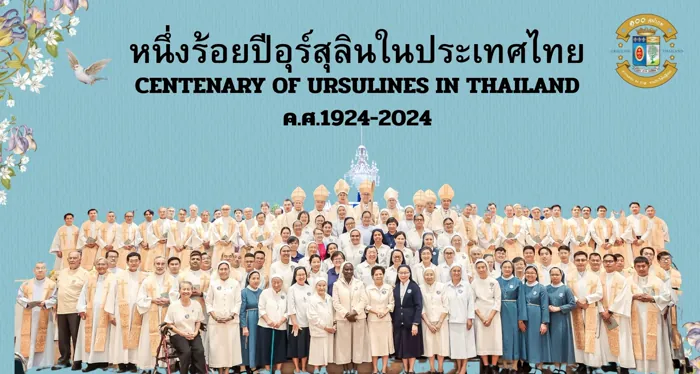 One Hundred Years of the Ursulines in Thailand
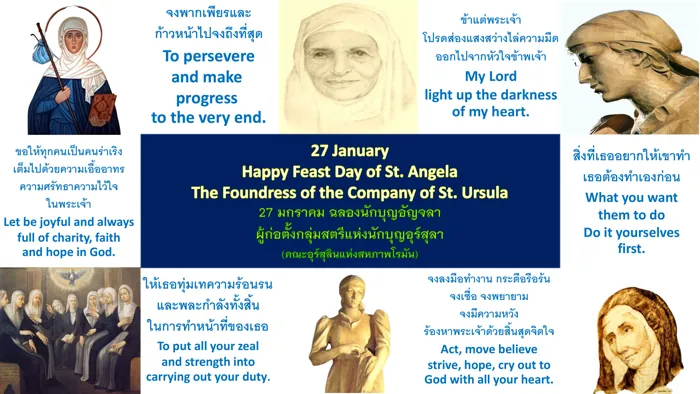 Celebrating Saint Angela
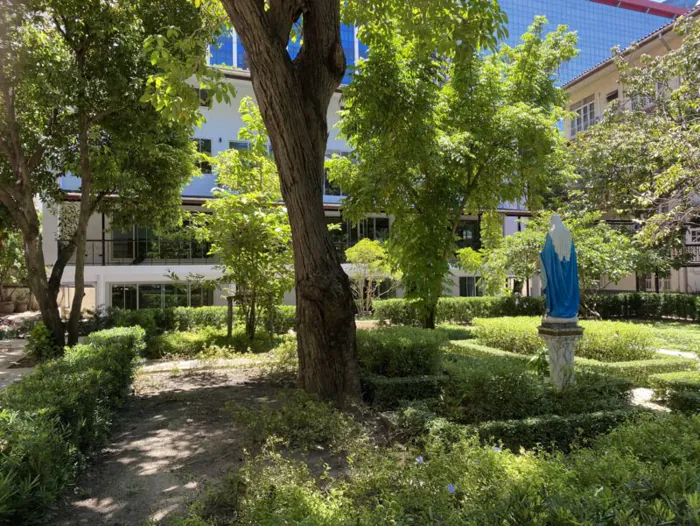 Life of the Ursulines
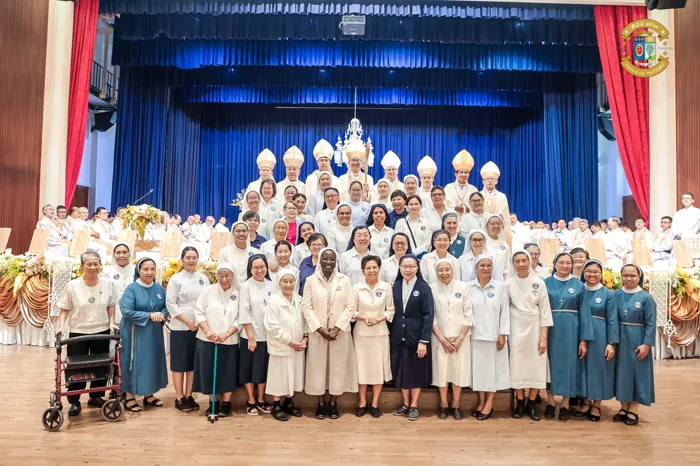 Community Life
 Formal education
 Non-formal education
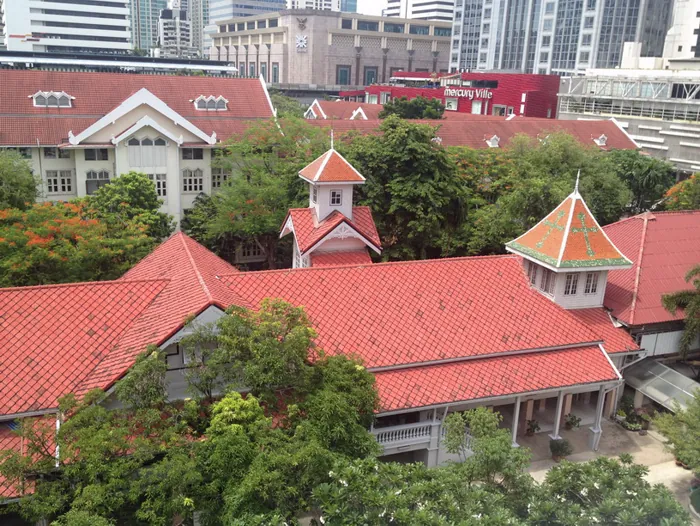 Mater Dei House
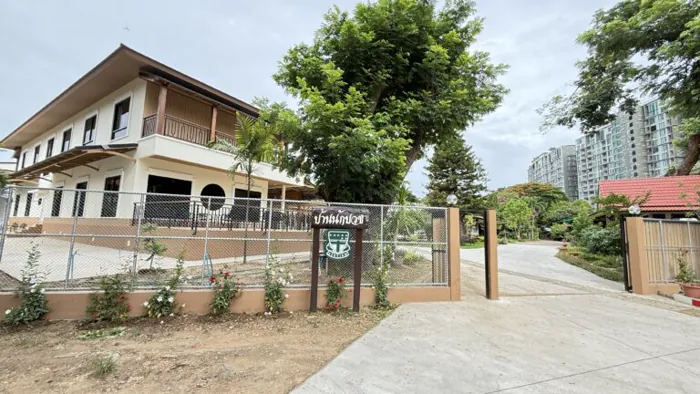 Regina Chalee House
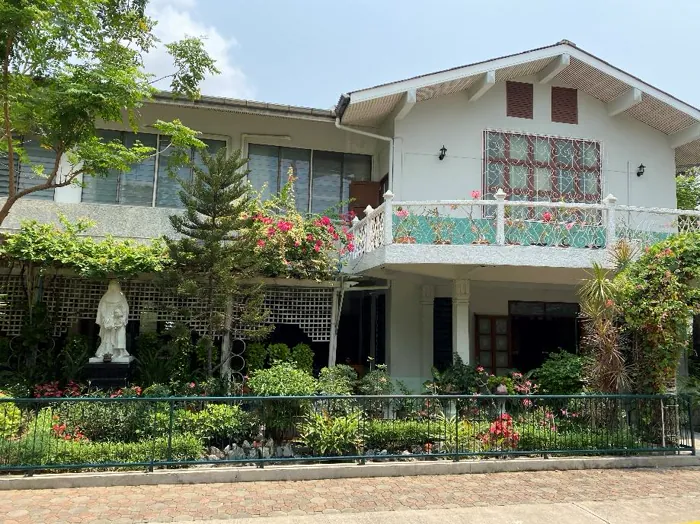 Vasudevi House
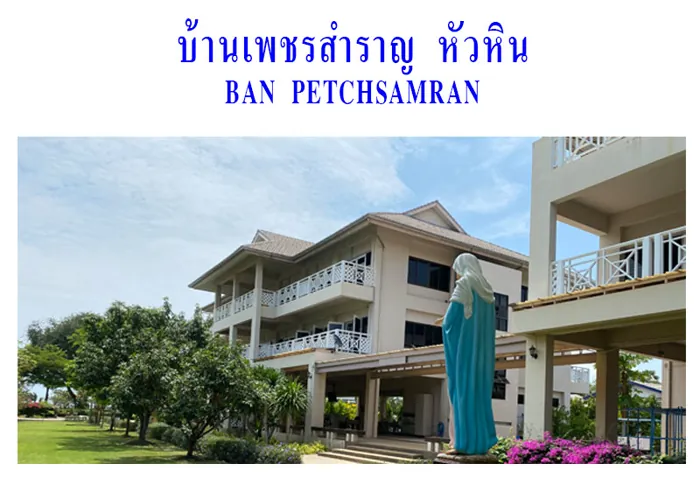 Phet Samran House
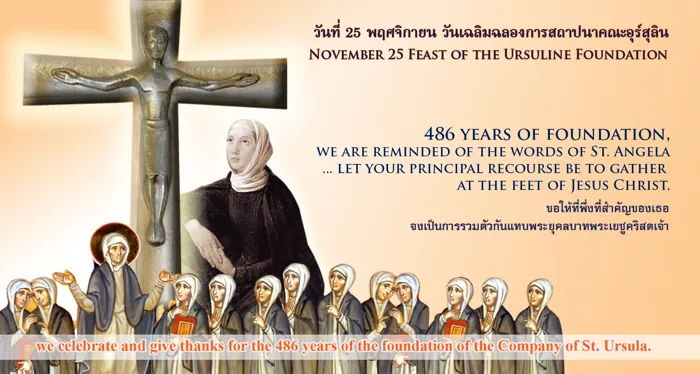 Retreat Atmosphere
 Come and See
 Book
Book Music
Music